
Master Your Blood Sugar Tracking
Learn the essentials of glucose testing, monitoring trends, and maintaining optimal levels through informed decision-making and consistent tracking practices.
The information on this site is for educational purposes only and does not constitute medical advice. Always consult a qualified healthcare professional before making health decisions.
Why Blood Sugar Monitoring Matters
Regular blood glucose monitoring is fundamental to understanding your body's metabolic patterns. By tracking readings consistently, you gain valuable insights into how different activities, foods, and lifestyle choices affect your glucose levels throughout the day.
Whether you're managing your health proactively or seeking to understand your body better, accurate glucose testing provides the data foundation for informed lifestyle decisions. Our platform guides you through the process of establishing effective monitoring routines.
- Accurate Testing: Learn proper techniques for reliable glucose readings
- Pattern Recognition: Identify trends and understand your body's response
- Data Organization: Keep detailed records for meaningful analysis
- Lifestyle Insights: Connect readings to daily activities and choices
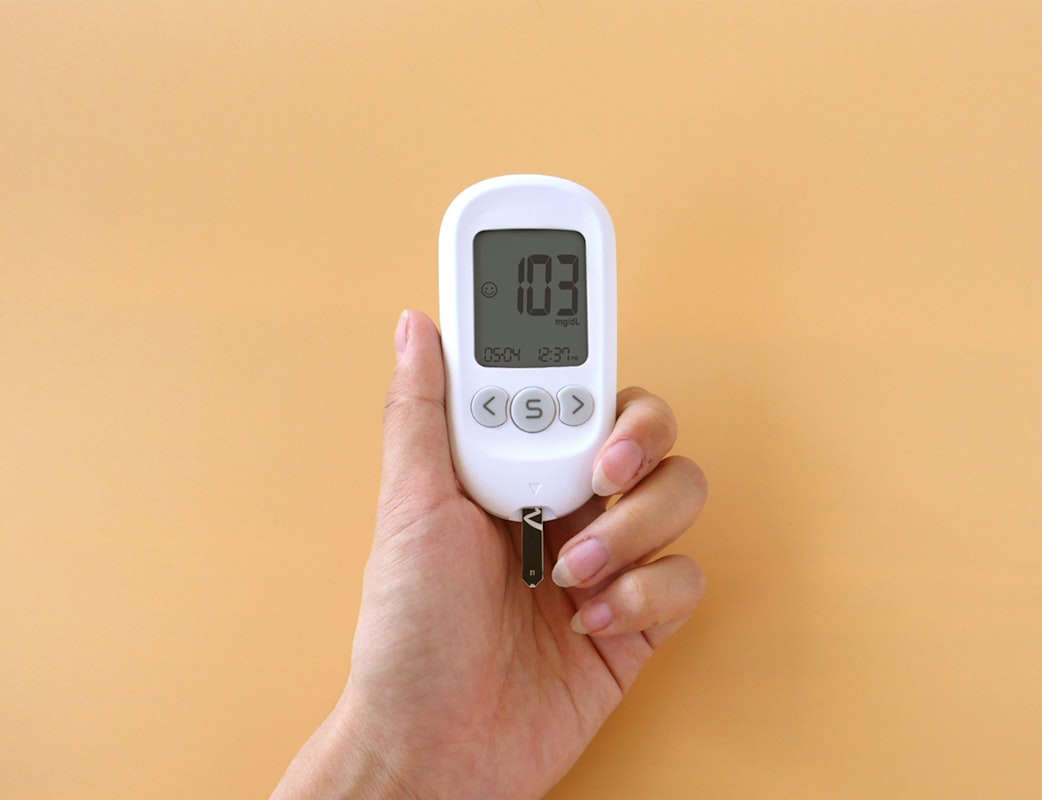
Four Essential Steps to Effective Glucose Tracking
Choose Your Testing Method
Understand the different glucose testing devices available and select the approach that fits your routine and lifestyle preferences.
Establish Your Testing Schedule
Develop a consistent timing plan for measurements—fasting, before meals, after meals, and before sleep—to build a comprehensive picture.
Record and Organize Data
Log each reading with context—time, food intake, activity level, stress—to identify patterns and correlations in your glucose response.
Analyze and Adjust
Review your recorded data regularly, identify behavioral patterns, and make informed adjustments to your daily habits based on insights.
Our Platform Capabilities
Glucosewellnessguidelab provides comprehensive tools and educational content to support your glucose monitoring journey with confidence and clarity.
Tracking Dashboard
Visual displays of your glucose readings over time, showing trends, patterns, and variability to help you understand your body's natural rhythms.
Educational Content
Detailed guides on glucose physiology, testing techniques, device selection, lifestyle factors, and how to interpret your readings effectively.
Schedule Templates
Pre-designed testing schedules for different goals and lifestyles, helping you establish consistent monitoring routines without guesswork.
Detailed Logs
Comprehensive journaling features to record glucose readings alongside meals, activities, emotions, and environmental factors for complete context.
Pattern Insights
Tools to identify correlations between your daily choices and glucose responses, revealing which lifestyle factors impact your levels most significantly.
Resource Library
Growing collection of articles, research summaries, and practical guides covering glucose testing techniques, interpretation, and lifestyle optimization.
What Our Readers Say
People across Czech Republic and beyond have found our educational platform helpful for understanding and managing their glucose monitoring journey.
"The tracking guide provided by Glucosewellnessguidelab transformed how I approach my daily monitoring. The step-by-step instructions are clear, and the explanation of why consistent timing matters finally clicked for me. I've been able to identify patterns I never noticed before, and that knowledge has made such a difference in my confidence level."
Marie Svobodová
Prague, Czech Republic
4.9/5
"I was intimidated by all the technical details until I read their comprehensive guides. Now I understand what my readings actually mean, and I can discuss trends intelligently. The educational approach really respects the reader's intelligence."
Tomáš Novák
Brno, Czech Republic
4.8/5
"The templates for testing schedules saved me so much time figuring out when to test. Instead of random measurements, I now have a logical plan. Combining that with their explanation articles gave me genuine understanding of the why behind each step."
Helena Moravcová
Ostrava, Czech Republic
5.0/5
"What impressed me most is the attention to proper testing technique. Small mistakes I didn't know I was making could have skewed my data. Now I know exactly how to get accurate readings, and the article on common mistakes was eye-opening."
Jan Čermák
Pilsen, Czech Republic
Frequently Asked Questions
Find answers to common questions about glucose testing, tracking, and using our platform effectively.
Fasting glucose readings are taken after at least 8 hours without food or caloric drinks, typically first thing in the morning. These readings reflect your body's baseline glucose production. Non-fasting readings capture glucose levels after meals or during normal activities, showing how your body responds to food intake and daily life. Both are valuable for different reasons—fasting readings show metabolic baseline, while post-meal readings demonstrate your body's ability to process food. A comprehensive monitoring plan includes both types to build a complete picture of your glucose patterns.
The frequency depends on your personal goals and situation. For general awareness building, testing fasting and before major meals—typically 3-4 times daily—provides solid foundational data. If you're investigating specific patterns, more frequent testing helps identify subtle connections. Some people benefit from intensive testing periods (testing multiple times daily for a week or two) to gather concentrated data, then transition to less frequent maintenance testing. Our platform includes schedule templates for different approaches, and the educational content explains how to choose frequency based on your specific interests and lifestyle.
Numerous factors influence glucose levels: food composition and portion size, physical activity intensity and timing, emotional stress, sleep quality and quantity, illness and infection, hormone cycles (for menstruating individuals), medication timing, caffeine consumption, and even weather or environmental changes. This complexity is precisely why detailed logging alongside your readings is so valuable. By recording the context of each test—what you ate, whether you exercised, your stress level—you can start identifying which factors most significantly impact your personal response patterns.
Accuracy depends on proper testing technique. Key practices include washing your hands with warm water and soap before testing, allowing the finger to dry completely before puncture, pricking on the side of your fingertip (less sensitive), ensuring adequate blood droplet formation without squeezing too hard, using test strips within their expiration date, and storing supplies at proper temperature. Our detailed testing guide covers these techniques step-by-step with explanations of why each matters. Additionally, checking your device's calibration and running quality control tests as recommended helps maintain accuracy over time.
Most glucose meters are designed for individual use by a single person due to infection control considerations. Blood-to-blood contact, even minimal amounts, poses a theoretical disease transmission risk. Additionally, some devices require individual calibration or store data tied to one person's tracking history. For these reasons, it's recommended that each person using glucose monitoring has their own device. This approach also ensures accurate data recording and pattern analysis, as readings can then be clearly attributed to one individual's physiology and lifestyle.
First, verify the reading by retesting after ensuring proper technique—occasionally an outlier reading reflects testing error rather than actual physiology. If the repeat reading is similarly unusual, review the context: Did something exceptional happen? Unusual stress? Different food or portion size? Different activity level? Illness? Review your detailed log entries to identify potential explanatory factors. Single unusual readings are often less significant than patterns over time. However, if unusual readings become frequent, documenting them and sharing patterns with relevant healthcare professionals provides them with actual data for discussion. Our platform's logging and pattern-recognition features help you maintain detailed records for such situations.
Start Your Glucose Tracking Journey Today
Explore our comprehensive guides, tracking tools, and educational resources to develop a deeper understanding of your glucose patterns and optimize your monitoring practices.